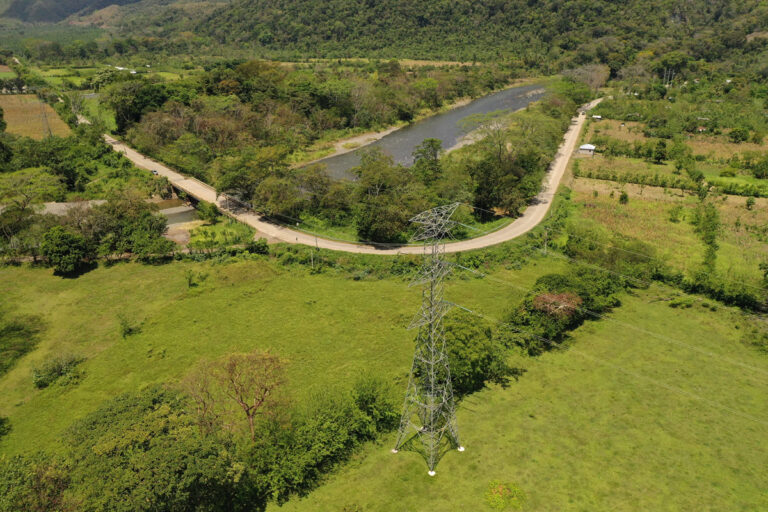

Guatemala’s power grid faces new challenges stemming from climate change. Heat waves, heavy rains, and tropical storms are changing the conditions under which the national power grid operates and pose new challenges for an infrastructure that must function continuously, safely, and reliably.
In departments such as Zacapa, where temperatures recently reached nearly 44 °C, the effects of extreme weather are evident both in daily life and in energy demand patterns. During these periods, the heavy use of fans, air conditioning systems, and refrigeration equipment drives up electricity consumption and can push demand to record levels, placing greater strain on the grid.
At the same time, the rainy season brings conditions that also put the electrical infrastructure to the test. Heavy rains, winds associated with tropical storms, and lightning strikes require constant monitoring, timely maintenance, and proper planning to ensure service continuity and reliability.
In this context, energy transmission takes on strategic importance. Beyond simply transporting electricity from one point to another, a robust and resilient transmission grid makes it possible to meet growing demand, adapt to increasingly variable weather conditions, and ensure that energy is delivered safely and continuously to homes, businesses, and industries across the country.
How do extreme weather conditions affect the stability of the power grid?
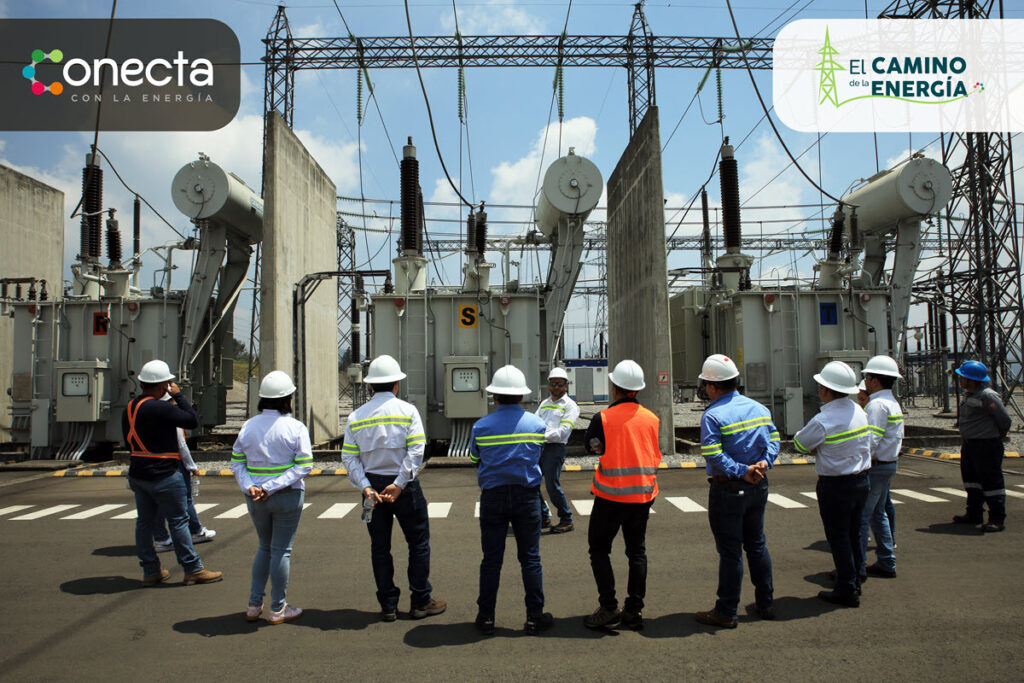
Electricity transmission in Guatemala plays a key role in ensuring the country’s energy security.
When temperatures rise significantly, so does the demand for electricity. The intensive use of fans, air conditioning systems, and refrigeration equipment changes consumption patterns and puts greater strain on the energy infrastructure.
This trend has been documented by the Wholesale Market Administrator (AMM), which recently recorded a record peak demand of 2,417.15 megawatts. The figure reflects how extreme weather events are increasingly influencing the country’s energy consumption and highlights the importance of having an electric grid that is prepared to respond to these scenarios.
As demand increases, the electric grid must operate under greater strain. Transmission lines, substations, and other grid components work together to deliver power to the regions where it is most needed, while maintaining the stability and reliability of the service.
High temperatures can also affect the performance of the electrical infrastructure. Rising ambient temperatures can lead to greater technical losses in transmission lines, making it even more important to have modern, efficient, and properly managed infrastructure.
Therefore, the resilience of the electric power system does not depend solely on having sufficient power generation capacity. It also requires a robust transmission grid capable of delivering electricity safely and efficiently, even during periods of high demand and increasingly challenging weather conditions.
Why is electricity transmission key to Guatemala’s energy security?
The response to peak demand cannot be understood without analyzing the role of electricity transmission. In Guatemala, the transmission system is organized into rings or grids that allow regions to be interconnected and energy to be redistributed according to demand. This design has been essential for coping with thermal stress scenarios.
The companies affiliated with the Guatemalan Association of Electricity Transmission Operators (AGTE) operate approximately 1,992 kilometers of transmission lines and more than 150 substations. This infrastructure allows energy to flow from generation facilities to consumption points without critical interruptions.
In addition, more than $901 million has been invested over the past decade to strengthen the network. These improvements have been crucial in enabling the system to respond to extreme events without compromising service continuity.
Strengthening the electric power transmission infrastructure was one of the main topics of discussion during the 6th Electric Power Transmission Forum, organized by AGTE. During the meeting, government officials, regulators, and industry stakeholders agreed that a more robust and modern transmission grid is key to meeting the growth in energy demand, enabling new investments in generation, and ensuring the reliability of the supply in the face of the increasingly evident effects of climate change.

This view was shared by Víctor Hugo Ventura, Minister of Energy and Mines; David Cabrera, President of AGTE; Juan Jacobo Rodríguez, Vice President of AGTE and CEO of Conecta; Marvin Barreto, Tariff Manager at the National Electric Energy Commission (CNEE); and Jorge Álvarez, General Manager of the Wholesale Market Administrator (AMM), who emphasized the importance of continuing to promote the development of transmission infrastructure as a key element for Guatemala’s energy security, competitiveness, and sustainable development.
Beyond technical indicators, strengthening the electric transmission infrastructure means increasing the country’s capacity to respond to the challenges posed by an increasingly demanding environment. As heat waves drive up energy consumption and extreme weather events put critical infrastructure to the test, having a robust and resilient grid becomes essential to maintaining service continuity and reliability.
The power transmission system ensures that electricity is delivered safely to homes, businesses, industries, and essential services throughout the country. In addition, it creates the necessary conditions to incorporate new generation capacity, meet growing demand, and support the country’s economic development.
Therefore, strengthening the transmission grid is not merely a technical necessity. It is a strategic decision that contributes to energy security, improves the country’s ability to adapt to climate change, and prepares Guatemala to respond to the challenges and opportunities of the future.
How does the electrical system prepare for extreme weather events?
Preparing the electrical system for extreme weather events does not depend solely on expanding infrastructure. It also requires planning, monitoring, and efficient grid management to respond to high-demand scenarios and adverse weather conditions.
The grid configuration of the electrical system allows energy flows to be redirected between different regions, enhancing the reliability and continuity of service. In addition, monitoring weather conditions helps facilitate preventive decision-making and ensures more efficient infrastructure operations.
In this way, we are helping to strengthen Guatemala’s power grid to address the challenges of climate change and ensure the country’s energy security.